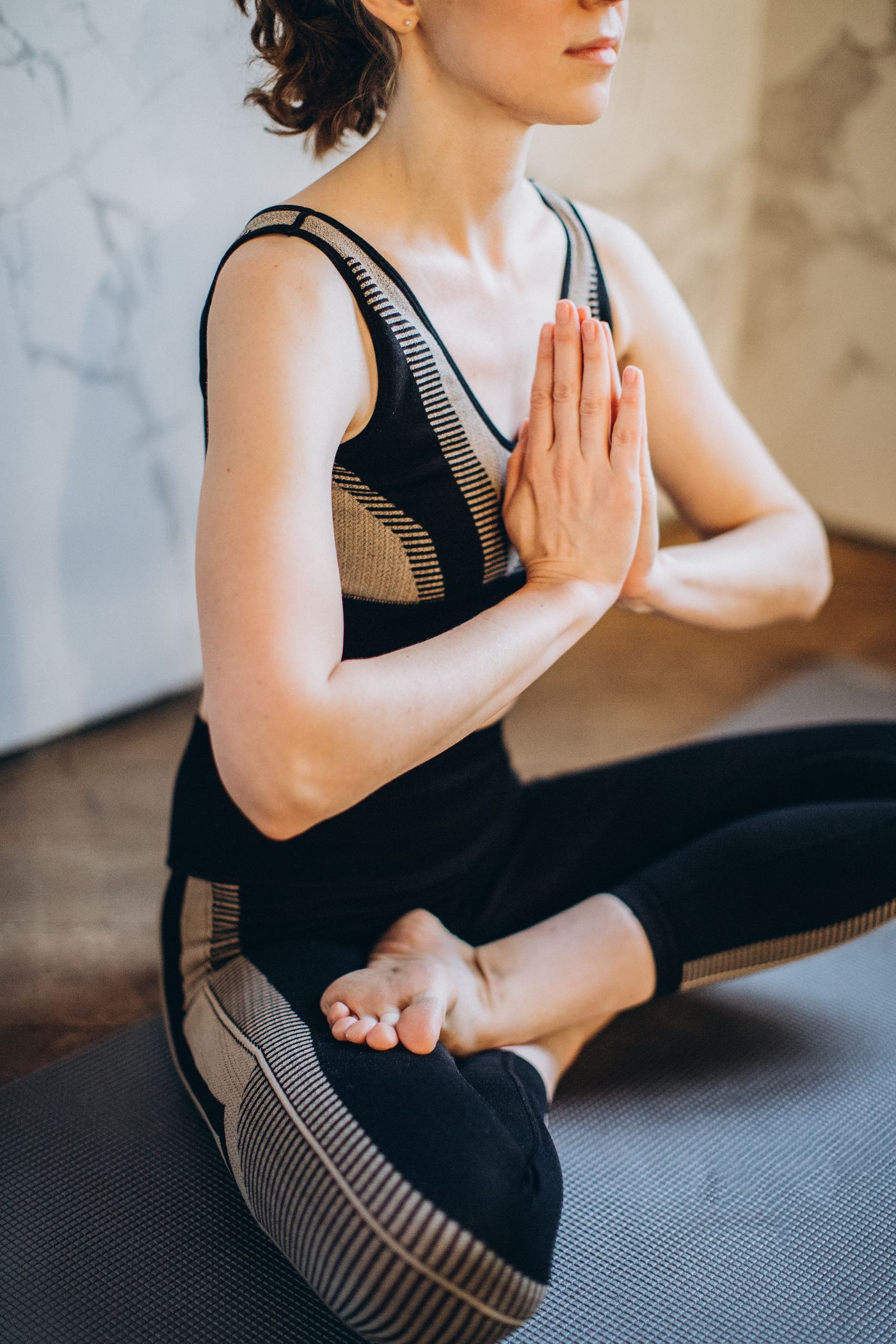
Quick answer: The best exercises for PCOS are strength training (2–3 times a week), brisk walking or low-impact cardio (most days), and yoga for stress and hormone balance. Together they improve insulin sensitivity — the root cause of PCOS symptoms — and make fat loss far easier. You can do all of it at home with just a mat and dumbbells.
- 3× strength training (full-body, 30–40 min)
- 4–5× brisk walking or low-impact cardio (30 min)
- 2–3× yoga or mobility (20 min)
- Aim for 8,000–10,000 steps a day
Why exercise is the best natural treatment for PCOS
PCOS is driven largely by insulin resistance. When your muscles become more sensitive to insulin, your body handles blood sugar better, androgen levels fall, and symptoms like weight gain, acne and irregular periods improve. Exercise — especially building muscle — is one of the most powerful ways to reverse insulin resistance without medication.
1. Strength training (the most important for PCOS)
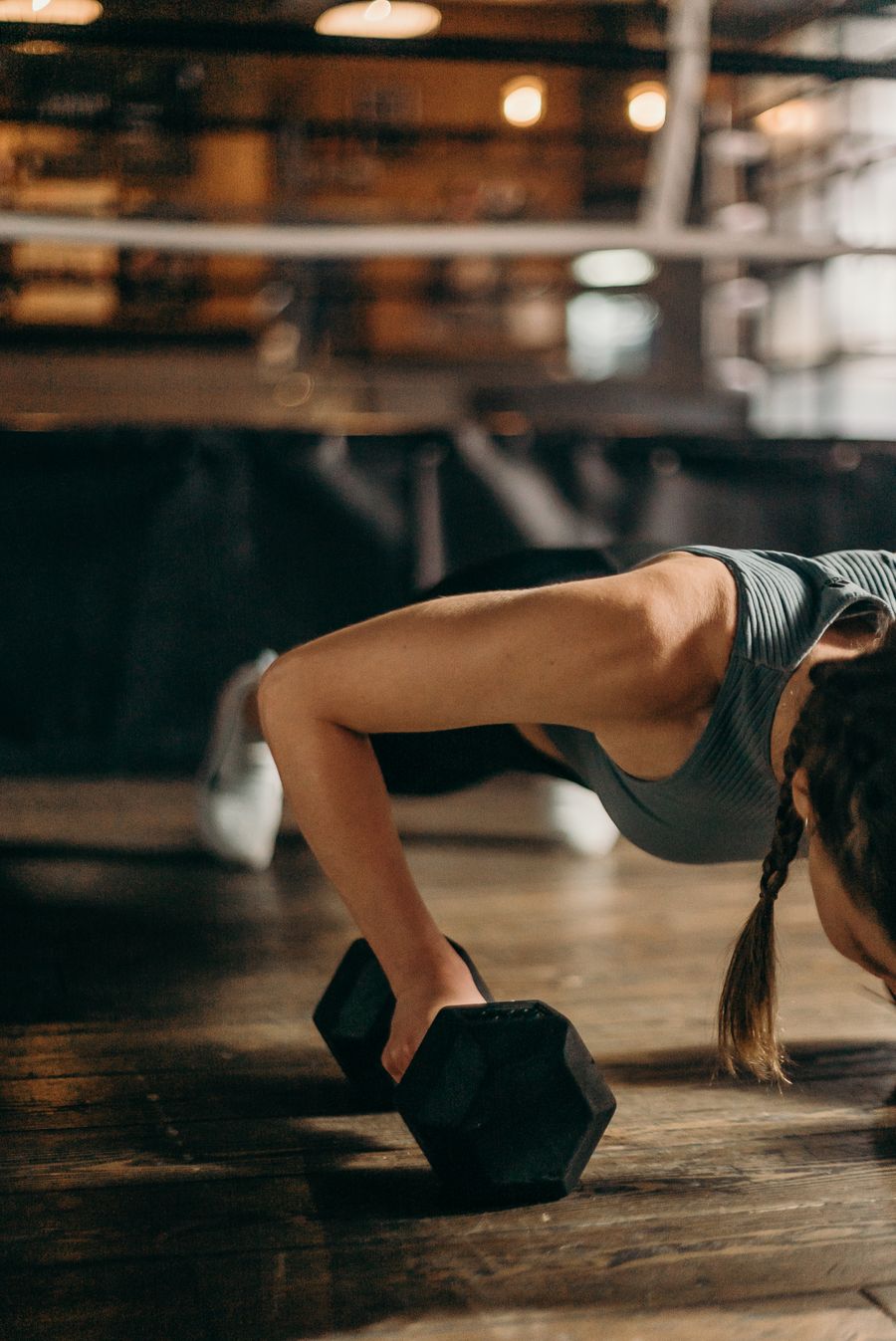
Muscle is your body’s largest sink for blood sugar. More muscle means better insulin sensitivity. You do not need a gym — bodyweight and a pair of dumbbells are enough.
A simple full-body home routine (do 3 rounds):
- Squats – 12 reps
- Dumbbell or wall push-ups – 10 reps
- Glute bridges – 15 reps
- Bent-over dumbbell rows – 12 reps
- Reverse lunges – 10 per leg
- Plank – 30 seconds
2. Low-impact cardio
You do not need punishing HIIT. In fact, too much high-intensity exercise can spike cortisol and worsen PCOS. Aim for moderate, enjoyable movement:
- Brisk walking (the single most underrated PCOS exercise)
- Cycling
- Dancing or Zumba
- Swimming
3. Yoga for PCOS
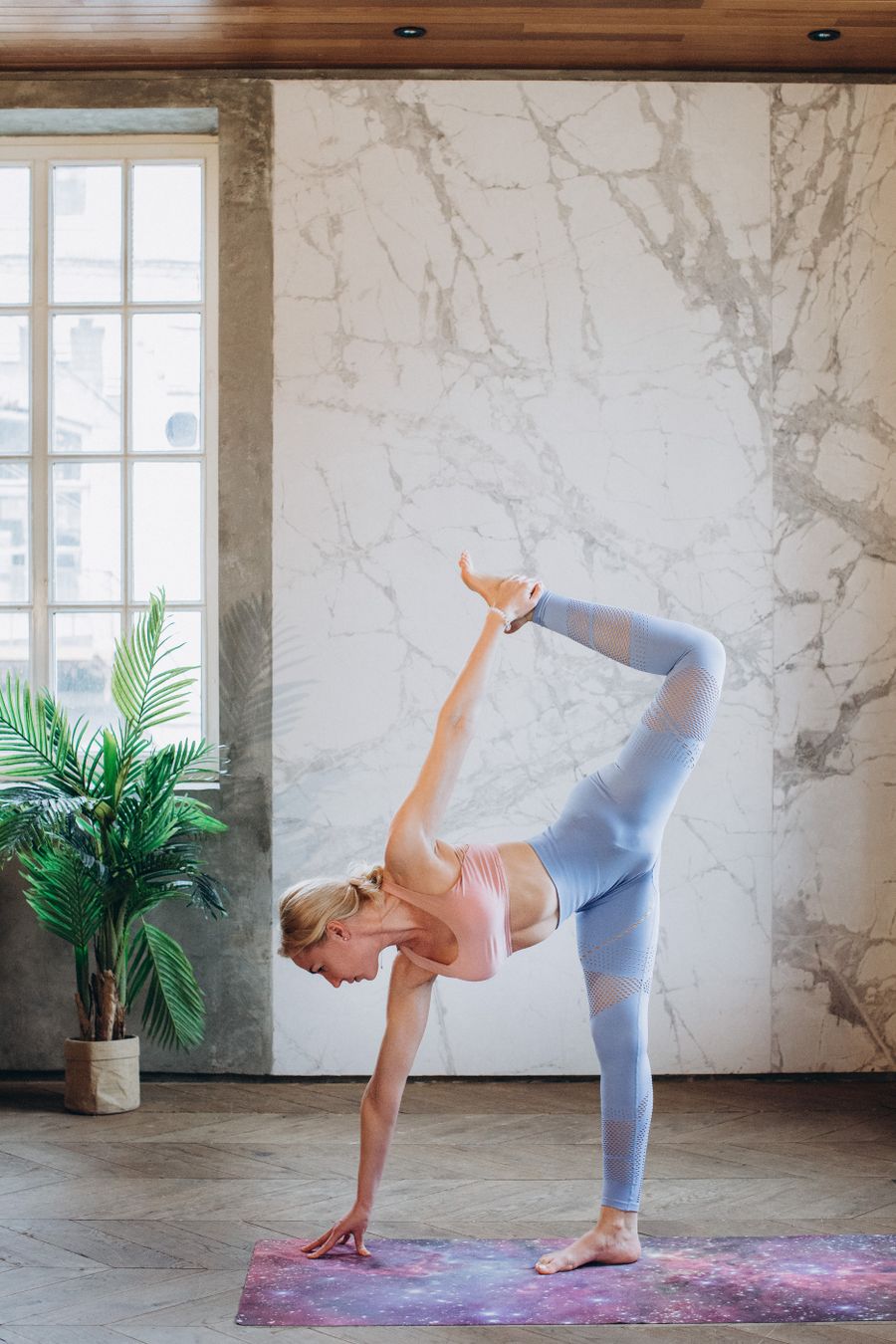
Yoga lowers cortisol and supports hormonal balance. Poses that many women find helpful include Butterfly (Baddha Konasana), Cobra (Bhujangasana), Bridge (Setu Bandhasana) and Child’s pose (Balasana). Ten to twenty minutes of yoga and deep breathing a few times a week makes a real difference to stress-driven symptoms.
Best exercise for insulin resistance in PCOS
If you only have time for one thing, choose strength training combined with a daily walk. This pairing tackles insulin resistance from both sides — building muscle and burning glucose — and delivers the fastest improvement in PCOS symptoms.
Sample 7-day PCOS workout plan
| Day | Focus |
|---|---|
| Mon | Full-body strength + 15-min walk |
| Tue | 30-min brisk walk + yoga |
| Wed | Full-body strength |
| Thu | Rest or gentle yoga |
| Fri | Full-body strength + 15-min walk |
| Sat | Dance / Zumba (30 min) |
| Sun | Long easy walk + stretching |
Train for your body, at home — with 1RFitness
Live and on-demand home workouts designed for Indian women — PCOS-friendly strength, yoga and fat-loss plans with a personal coach. No gym, just a mat and a pair of dumbbells.
Start free today →Frequently Asked Questions
What is the best exercise for PCOS?
Strength training is the best exercise for PCOS because it builds muscle and improves insulin sensitivity, the root cause of symptoms. Combine it with daily brisk walking and some yoga for the best results.
Can exercise reduce PCOS symptoms?
Yes. Regular exercise improves insulin resistance, supports weight loss, helps restore regular periods and reduces acne and excess hair over time. Consistency matters more than intensity.
How much should I exercise with PCOS?
Aim for strength training 2 to 3 times a week, 30 minutes of moderate cardio on most days, and 8,000 to 10,000 steps daily. Add yoga a couple of times a week for stress relief.
Is HIIT good or bad for PCOS?
Moderate HIIT can help, but too much high-intensity training may raise cortisol and worsen symptoms. Most women with PCOS do better with strength training and moderate cardio than with frequent intense HIIT.
Can I do PCOS workouts at home?
Absolutely. A yoga mat and a pair of dumbbells are enough for effective PCOS-friendly strength, cardio and yoga routines — no gym required.
This article is for general education and is not a substitute for medical advice. PCOS/PCOD care is individual — please consult your gynaecologist or a registered dietitian before starting a new diet or exercise programme, especially if you are pregnant, trying to conceive, or on medication.