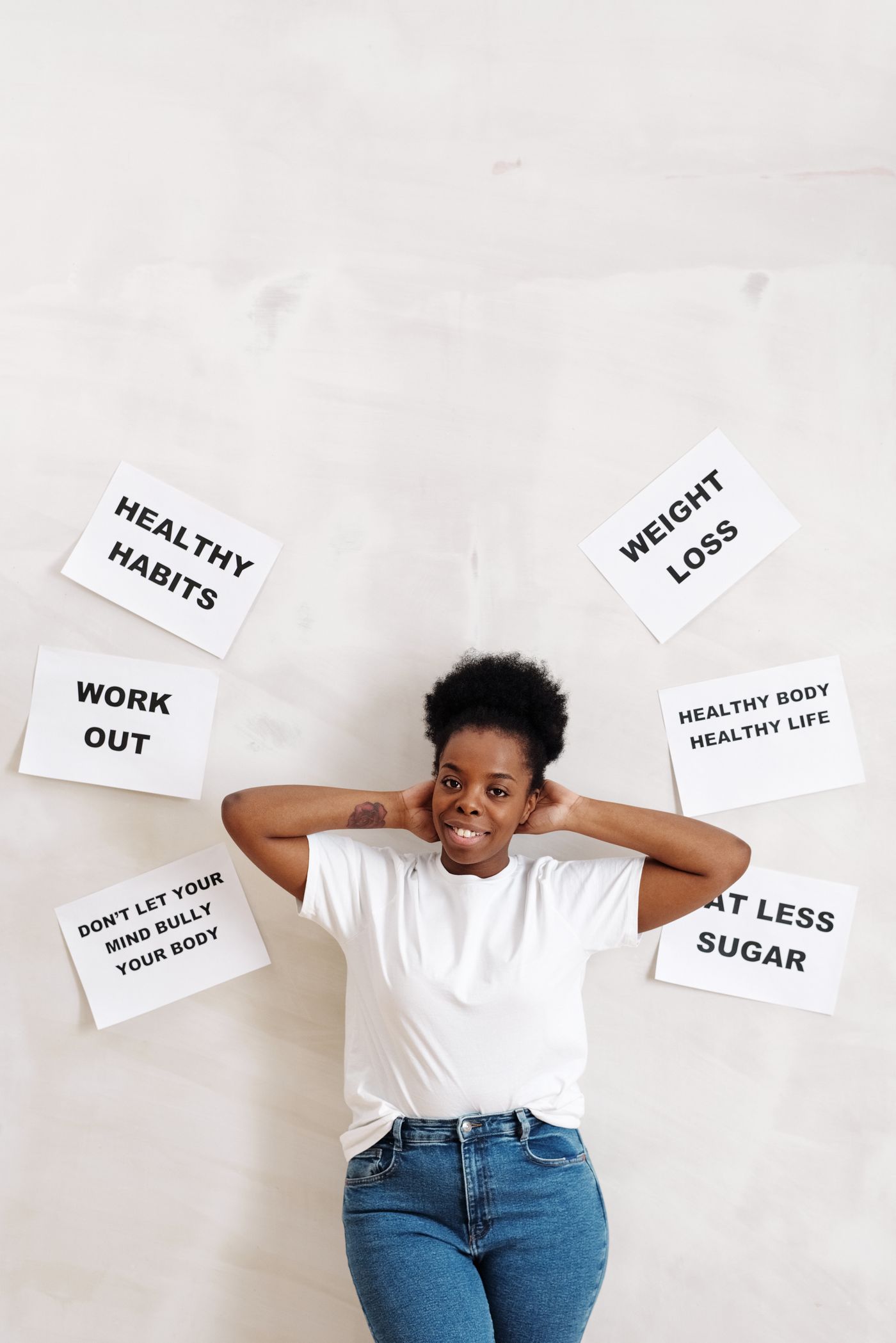
Quick answer: Yes — PCOS can make you gain weight and make it harder to lose, mainly because of insulin resistance and higher androgen levels. But it is absolutely possible to lose weight with PCOS. The winning formula is strength training + a higher-protein, lower-refined-carb diet + better sleep and stress control. Even a 5–10% drop in weight sharply improves symptoms.
Why does PCOS cause weight gain?
Most weight gain in PCOS comes down to insulin resistance. When cells stop responding well to insulin, the body pumps out more of it. High insulin tells the body to store fat (especially around the belly), increases hunger and cravings, and raises androgens — a cycle that makes weight loss feel impossible. Add stress, poor sleep and slower metabolism, and the scale creeps up.
Insulin resistance → high insulin → more fat storage + cravings → more weight → worse insulin resistance. Breaking this cycle is the whole game — and exercise + diet break it.
Can you lose weight with PCOS? Yes — here’s how
1. Prioritise strength training
Building muscle is the fastest way to improve insulin sensitivity. Train with dumbbells or bodyweight 2–3 times a week. Muscle burns more glucose at rest, which directly counters the PCOS weight-gain cycle.

2. Eat more protein, fewer refined carbs
Protein keeps you full and steadies blood sugar. Fill your plate with dal, paneer, eggs, chicken, fish or tofu, plenty of vegetables, and whole grains like millets — while cutting sugar, maida and fried foods.
3. Walk every day
A daily walk of 30–45 minutes, plus a short 10-minute walk after meals, is one of the most effective (and easiest) tools for PCOS weight loss. Aim for 8,000–10,000 steps.
4. Fix sleep and stress
Poor sleep and chronic stress raise cortisol, which worsens insulin resistance and belly fat. Target 7–8 hours of sleep and add yoga or breathing exercises a few times a week.
5. Be patient and consistent
Weight loss with PCOS is often slower, and that is normal. Focus on habits, not the daily scale. Non-scale wins — regular periods, better energy, clearer skin, looser clothes — show progress before the number moves.
How much weight do you need to lose to see results?
You do not need a dramatic transformation. Studies show that losing just 5–10% of your body weight can restore ovulation, regulate periods and significantly reduce PCOS symptoms. For a 70 kg woman, that is only 3.5–7 kg.
Train for your body, at home — with 1RFitness
Live and on-demand home workouts designed for Indian women — PCOS-friendly strength, yoga and fat-loss plans with a personal coach. No gym, just a mat and a pair of dumbbells.
Start free today →Frequently Asked Questions
Does PCOS cause weight gain?
Yes. PCOS commonly causes weight gain because of insulin resistance and higher androgen levels, which increase fat storage (especially around the belly) and drive cravings. It also makes weight harder to lose.
Can PCOS make you fat?
PCOS can make weight gain easier and weight loss harder, but it does not make weight gain inevitable. With strength training, a protein-rich lower-carb diet and good sleep, most women can manage their weight well.
How can I lose weight with PCOS fast?
Combine strength training 2 to 3 times a week, a higher-protein and lower-refined-carb diet, daily walking, and 7 to 8 hours of sleep. Avoid crash diets, which can worsen hormones.
How much weight loss improves PCOS?
Losing just 5 to 10 percent of your body weight can restore regular periods, improve fertility and reduce PCOS symptoms significantly.
Why is it so hard to lose weight with PCOS?
Insulin resistance raises insulin levels, which promote fat storage and hunger, while higher cortisol and a slightly slower metabolism add to the challenge. Targeting insulin resistance with exercise and diet makes weight loss possible.
This article is for general education and is not a substitute for medical advice. PCOS/PCOD care is individual — please consult your gynaecologist or a registered dietitian before starting a new diet or exercise programme, especially if you are pregnant, trying to conceive, or on medication.